.webp)
.svg)
.svg)

How AI Is Changing the Rules of the Modeling Industry
Jessica von Lindau works as an international model and regularly stands in front of the camera in Paris, Milan and New York. She has collaborated with numerous high-end brands and agencies - and has appeared in editorials for Elle and Grazia. Her clients include Garnier, La Mer, DKNY as well as several brands from the PAPA OSCAR Ventures portfolio.
In conversation with Gateway, she speaks about the growing influence of generative AI on the modeling and fashion industry, the noticeable uncertainty among creatives and why she hopes AI will one day take over her household chores rather than her jobs.
In conversation with Gateway, she speaks about the growing influence of generative AI on the modeling and fashion industry, the noticeable uncertainty among creatives and why she hopes AI will one day take over her household chores rather than her jobs.
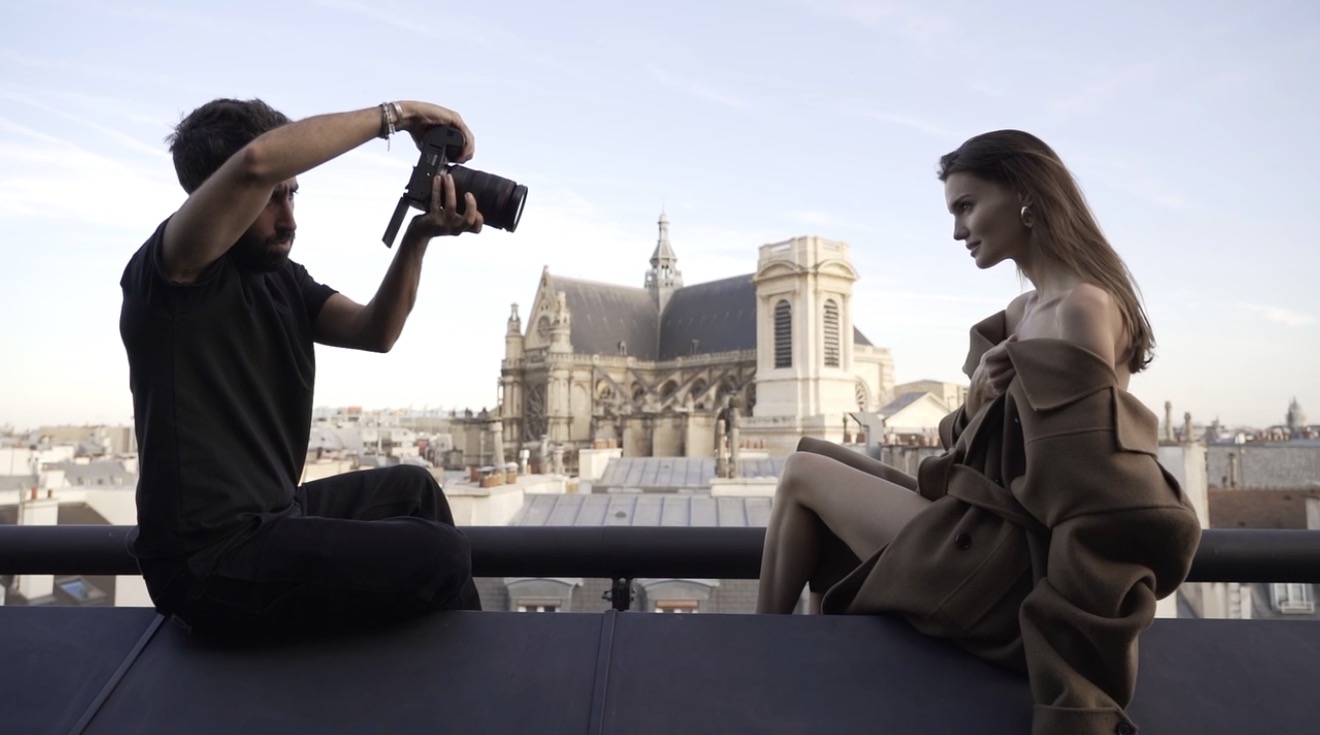
Jessica, you regularly work on major international productions - from Paris to Milan to New York. How would you describe the current mood in the industry with regard to AI?
The fashion industry has always been in motion - every decade brings new technologies and major changes. Even before social media turned everything upside down, there was the shift from analog film photography to digital production. For many development labs, that transition meant the end, and entire workflows changed radically. So we already know from experience how innovation can reshape the industry.
Now AI is the next major factor - and yes, there is a certain level of uncertainty, especially among freelancers such as models, stylists or photographers. Many are wondering how their jobs will evolve in the long term. Particularly in the e-commerce space, you increasingly hear that brands are considering replacing productions with AI. Especially brands with smaller budgets are looking for fast and cost-effective solutions.
At the same time, I see a clear countertrend - high-end productions and premium brands are deliberately continuing to rely on real models and real teams. And something new is emerging - a stronger focus on social media coverage of campaigns for behind-the-scenes content. Customers are interested in the “glam” - the feeling of getting exclusive insights behind the scenes, seeing the people and processes behind a campaign. That creates authenticity and a connection that AI cannot provide. This shift toward greater transparency and backstage access strengthens the value of real productions.
Now AI is the next major factor - and yes, there is a certain level of uncertainty, especially among freelancers such as models, stylists or photographers. Many are wondering how their jobs will evolve in the long term. Particularly in the e-commerce space, you increasingly hear that brands are considering replacing productions with AI. Especially brands with smaller budgets are looking for fast and cost-effective solutions.
At the same time, I see a clear countertrend - high-end productions and premium brands are deliberately continuing to rely on real models and real teams. And something new is emerging - a stronger focus on social media coverage of campaigns for behind-the-scenes content. Customers are interested in the “glam” - the feeling of getting exclusive insights behind the scenes, seeing the people and processes behind a campaign. That creates authenticity and a connection that AI cannot provide. This shift toward greater transparency and backstage access strengthens the value of real productions.
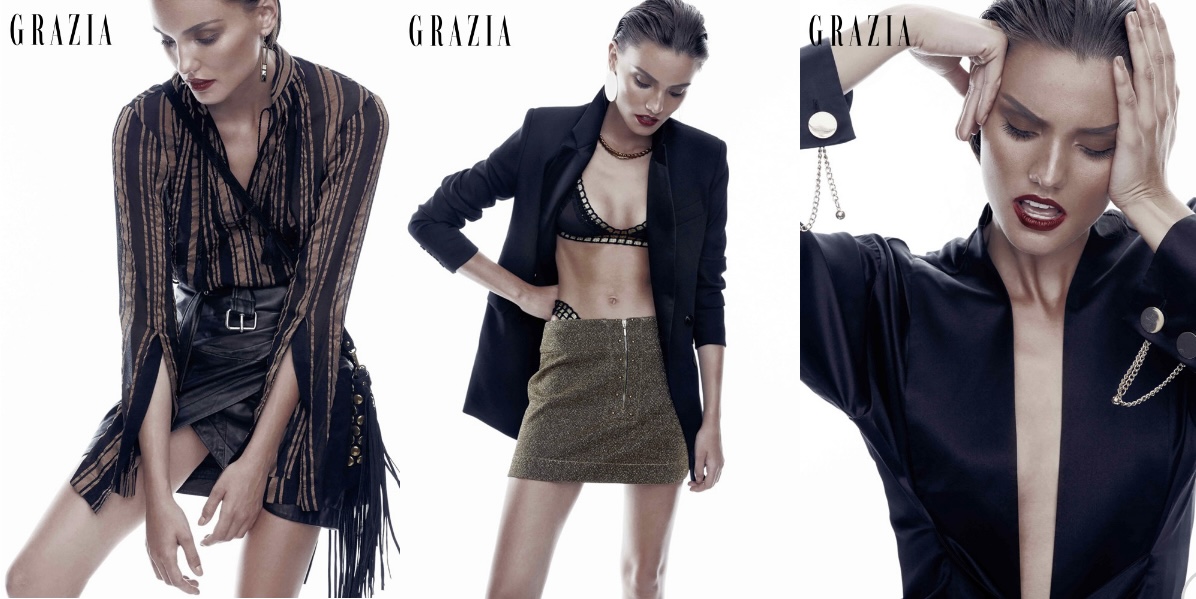
To what extent do you see local or industry-specific differences?
When it comes to regional differences, I actually feel that AI is more present in Germany and Scandinavian countries - particularly among cost-conscious brands. Culturally, I believe these regions often place more emphasis on rationality, efficiency and functionality rather than aesthetics or prestige. That is why in Germany especially, I frequently encounter discussions about whether and how productions could be replaced by AI.
In France or the United States, I perceive a different atmosphere - there, I rarely sense teams worrying about losing their jobs to AI or discussing being replaced. The focus is more on the creative outcome and the prestige of a campaign. If AI is discussed, it is usually in a positive context - how new tools can enhance final images or streamline processes. Of course, this is only my personal impression, but I do believe there are cultural differences in how technology and creativity are approached.
In France or the United States, I perceive a different atmosphere - there, I rarely sense teams worrying about losing their jobs to AI or discussing being replaced. The focus is more on the creative outcome and the prestige of a campaign. If AI is discussed, it is usually in a positive context - how new tools can enhance final images or streamline processes. Of course, this is only my personal impression, but I do believe there are cultural differences in how technology and creativity are approached.
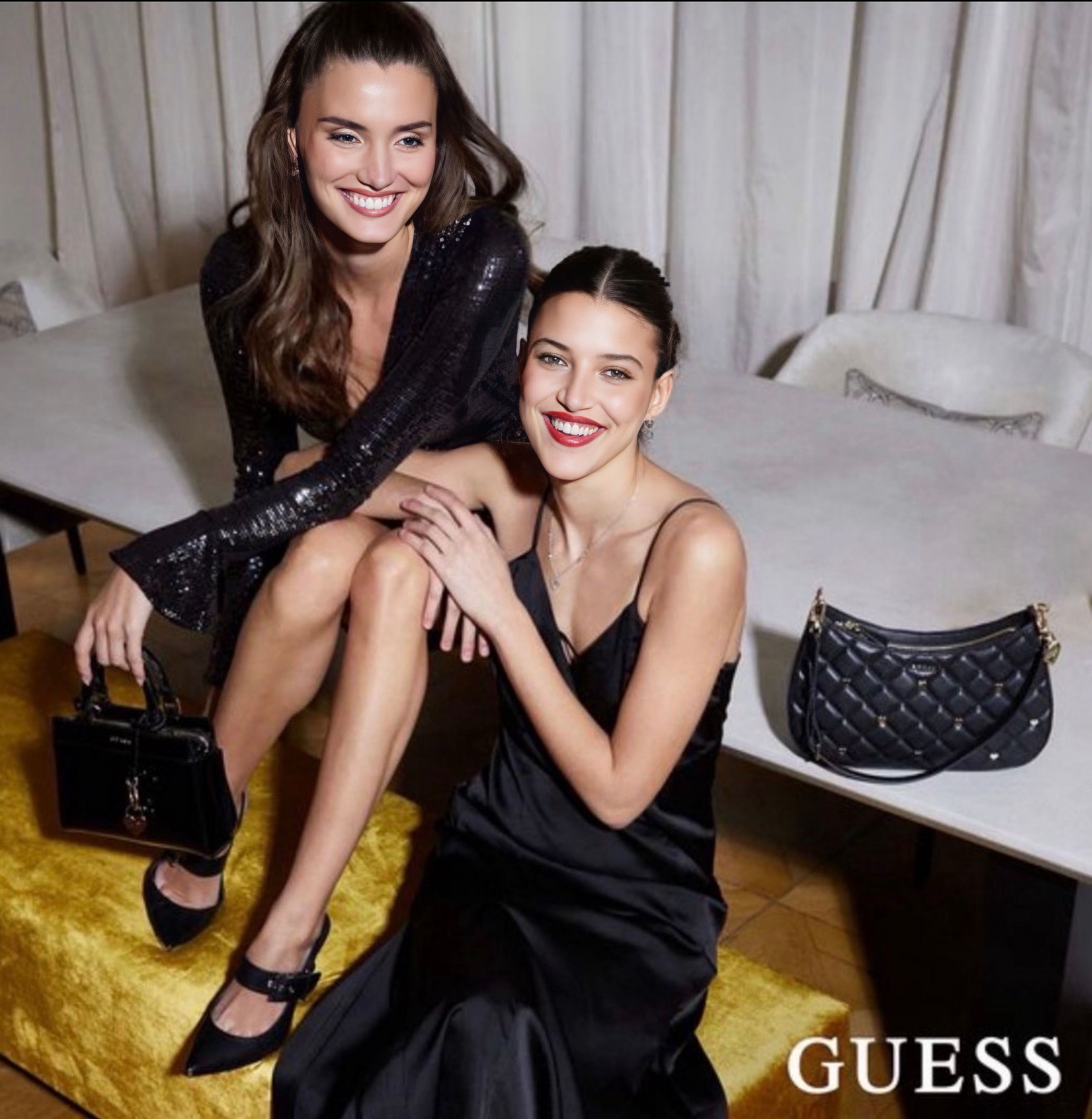
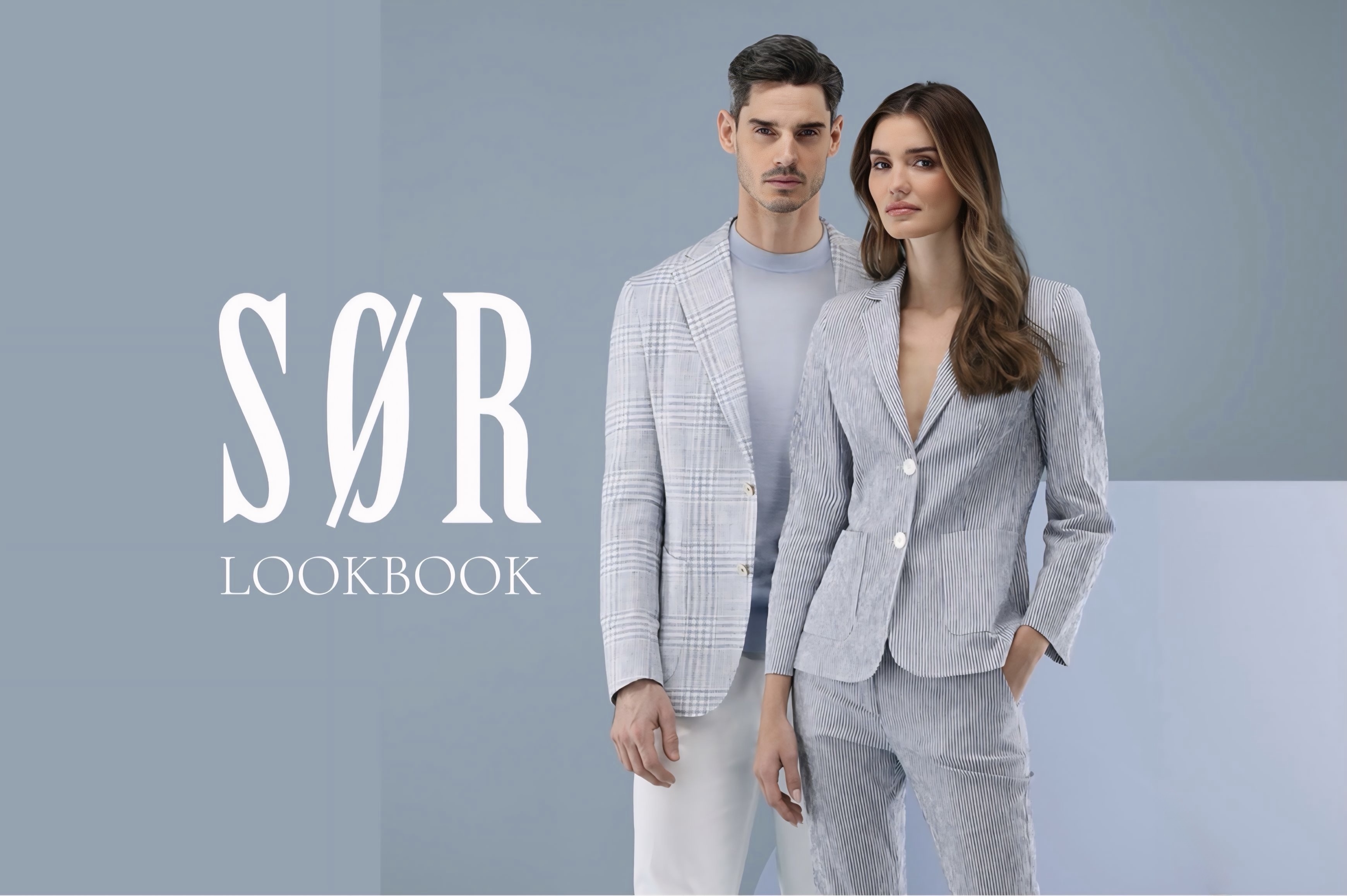

What changes are you observing in the way brands produce content today - and what role does AI play in this?
AI is present everywhere. Productions that would previously have taken place in Ibiza or Cape Town are now often shot in a studio against a white wall and later retouched via AI to appear at the beach or in the mountains. Taking it a step further, we see campaigns from brands like Levi’s, Mango or H&M already working with fully generated models or digital AI twins.
Still, I feel much of this is experimental and that the initial excitement may not last in the long run. Personally, trust immediately disappears for me as soon as I recognize that an image is entirely AI-generated - I automatically start questioning the quality of the product. AI can quickly feel “cheap”, almost like a replica. And that does not align with an industry that thrives on identification with real people. We want to see someone and think - maybe I could look like that too if I buy this shampoo.
That is exactly why influencers perform so well on social media - they sell through authenticity. Fully AI-generated advertising is the opposite - anonymous, polished, without personality or emotional connection. An AI model, to me, has the presence of a mannequin. And I do not believe that will sustainably increase sales. AI is an exciting tool for post-production and can enrich creative processes - but it does not replace real people.
Still, I feel much of this is experimental and that the initial excitement may not last in the long run. Personally, trust immediately disappears for me as soon as I recognize that an image is entirely AI-generated - I automatically start questioning the quality of the product. AI can quickly feel “cheap”, almost like a replica. And that does not align with an industry that thrives on identification with real people. We want to see someone and think - maybe I could look like that too if I buy this shampoo.
That is exactly why influencers perform so well on social media - they sell through authenticity. Fully AI-generated advertising is the opposite - anonymous, polished, without personality or emotional connection. An AI model, to me, has the presence of a mannequin. And I do not believe that will sustainably increase sales. AI is an exciting tool for post-production and can enrich creative processes - but it does not replace real people.
Does art need to be authentic and human-made or does only the final result matter?
I believe true art can only be human-made. Although behind every AI there is still a human prompting and selecting. Fundamentally, I would love AI to do my laundry, clean my apartment and empty my dishwasher so that I have more time to paint, make music or write poetry - not the other way around.
How should models respond to these developments?
I believe it is more important than ever to protect full ownership of one’s digital likeness in every contract and not grant comprehensive rights to agencies or clients. At the same time, models should actively work on their social media presence and position themselves as a personal brand within a clear niche. That way, you remain independent, authentic and retain long-term control over your career.
To conclude - when you look three to five years into the future at both your own career and the modeling industry - what does your ideal scenario look like? And how would you like the relationship between humans and machines in this industry to evolve?
My ideal scenario would be balance - technology that supports rather than replaces - and an industry that continues to build on creativity, authenticity and human presence. If AI takes work off our hands so that there is more space for real art, then I see the future more as an opportunity than a threat.
About Gateway
Gateway is the service unit of PAPA OSCAR Ventures, making entrepreneurial expertise from over nine years of venture capital business accessible to selected companies outside traditional investment models. Gateway combines strategic perspective with operational implementation and leverages modern technology and AI to enable sustainable scaling.
About PAPA OSCAR Ventures
PAPA OSCAR Ventures GmbH was founded in 2017 and is today one of the leading investment firms for E-commerce and Direct-to-Consumer brands in Europe. The company combines capital with comprehensive operational support through internal expert teams in marketing, sales, strategy, product development, and IT.
.webp)
.webp)
.webp)
.webp)

.webp)
.webp)
.webp)
.webp)
.webp)
.webp)
.webp)
.webp)
.webp)
.webp)
.webp)
.webp)
.webp)
.webp)
.webp)
.webp)
.svg)
.webp)
.webp)